July 23, 2026
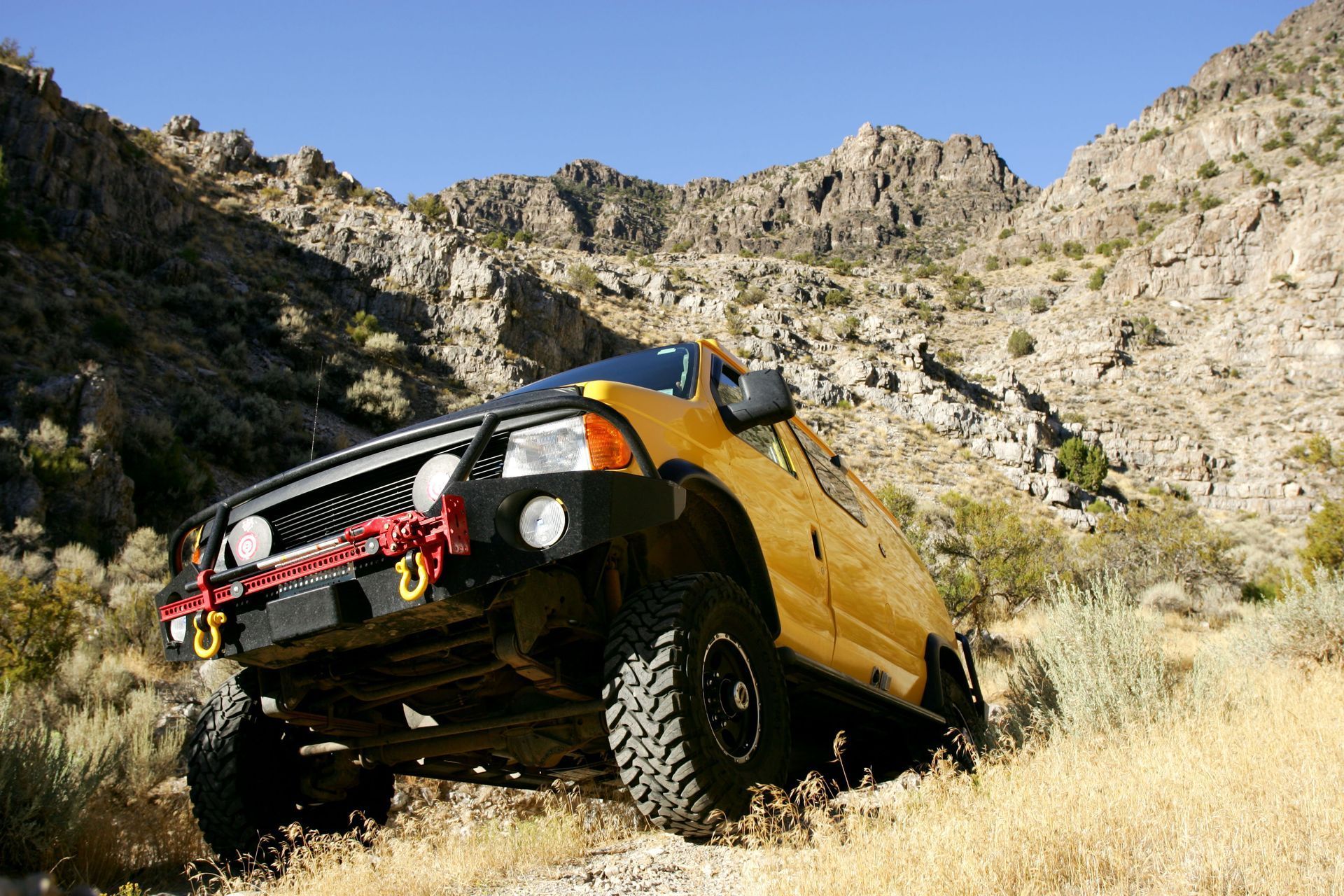
For off-road enthusiasts, adventurers, and everyday truck owners, few things match the thrill of leaving the paved highway behind and tackling the rugged, unpredictable wilderness. Every ounce of horsepower, every advanced traction-control algorithm, and every inch of suspension travel relies entirely on four patches of rubber. When preparing a vehicle for the backcountry, upgrading to the appropriate rubber is the single most impactful modification you can make. It is not just about avoiding getting stuck; it is about safety, durability, and vehicle control. Understanding the nuances of terrain, tread design, and tire construction will empower you to make an informed investment when purchasing new tires for your vehicle.
Understanding Your Off-Road Terrain
Before diving into specific product lines or tread categories, you must honestly evaluate where you plan to spend most of your driving time. Off-road terrain is incredibly diverse, and new tires engineered to excel in one environment might fail miserably in another.
Mud and Clay
Mud is perhaps the most demanding terrain for a vehicle. It acts like a slick grease, filling the voids of standard tread patterns and turning a tire into a smooth, tractionless racing slick. To conquer mud, you need deep, widely spaced tread blocks that physically scoop the earth and throw it clear of the wheel spin.
Rocks and Trails
Rock crawling and technical trail driving require a delicate balance of flexibility, structural strength, and high-friction rubber compounds. Off-roaders often deflate their tires—a process known as "airing down"—to allow the tread to conform and wrap around obstacles. This means the sidewalls must be incredibly tough to resist punctures from sharp rocks.
Sand and Desert
Sand driving values flotation over digging. If your tires dig too deep, your vehicle will bottom out on its chassis. Sand tires require a wide footprint and a smoother, more uniform tread pattern to distribute the vehicle's weight evenly across the soft surface.
Snow and Ice
Winter off-roading introduces two distinct challenges: deep pack snow and slick sheet ice. While deep snow requires wide voids similar to mud terrain, ice demands specialized rubber compounds that remain pliable in freezing temperatures, alongside microscopic sipes that trap moisture to create friction.
The Primary Categories of Off-Road Tires
The automotive aftermarket offers a spectrum of options engineered for different balances of on-road comfort and off-road capability. Choosing the right category is the first step in selecting new tires that match your lifestyle.
All-Terrain (A/T) Tires
All-Terrain models are the chameleons of the rubber world. They are engineered for drivers who use their vehicle as a daily commuter during the week but head into the wilderness on weekends.
They feature an interlocking tread block pattern with moderate void spaces. On-road manners are excellent. They are relatively quiet, offer predictable handling on wet or dry asphalt, and provide good fuel efficiency. Off-road, they are highly capable on gravel roads, packed dirt, light snow, and mild rocky trails. However, they can quickly become clogged and lose traction in thick, heavy clay or deep mud.
Mud-Terrain (M/T) Tires
If your weekend adventures consistently involve deep bogs, slick clay, or intense rock crawling, Mud-Terrain options are the gold standard.
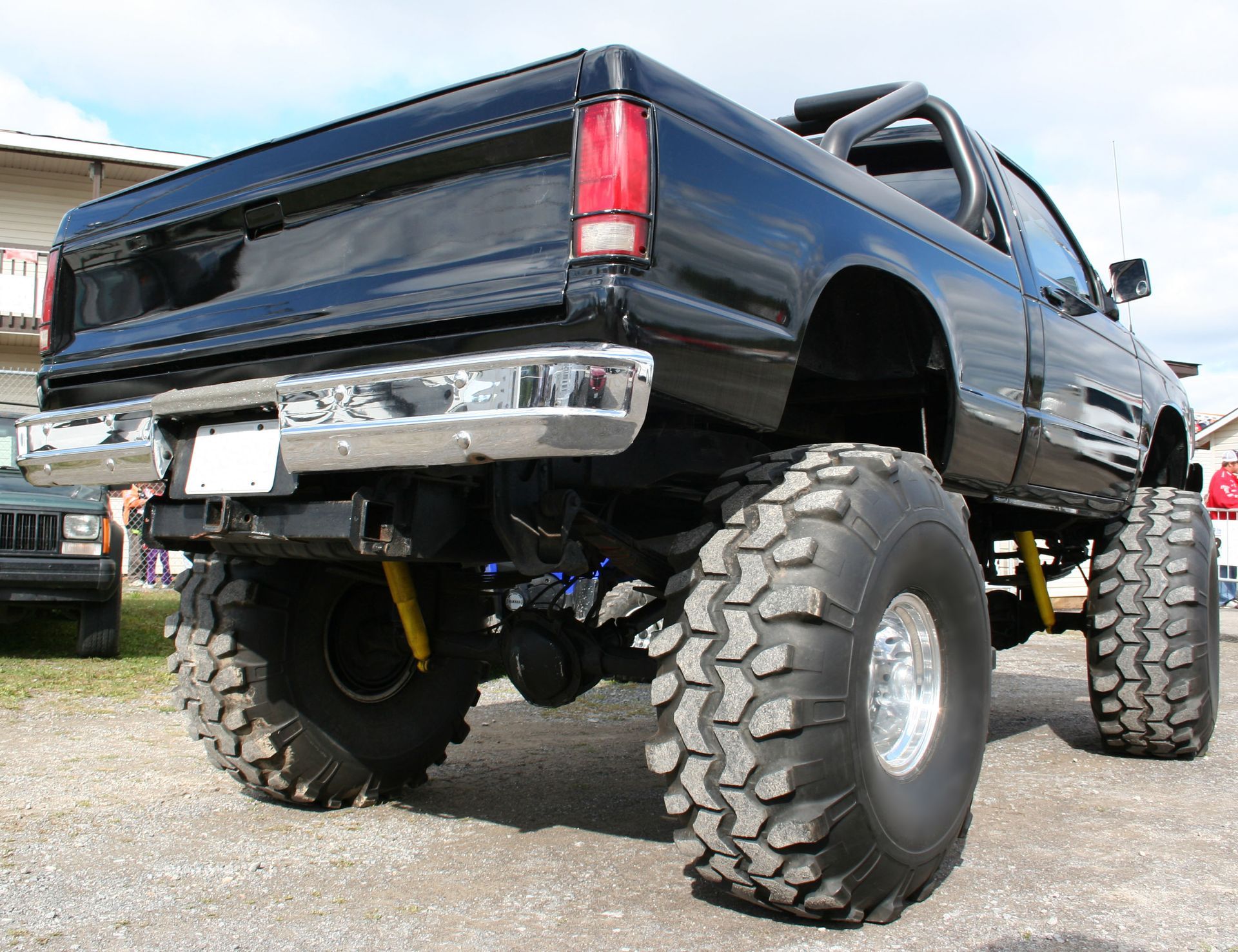
M/T models feature massive, chunkier tread blocks separated by deep, wide channels. They often incorporate raised ridges within the channels, known as mud ejectors, to prevent debris from packing into the tread. On the road, their manners are compromised. The large void spaces create a distinct, loud humming noise at highway speeds. The stiffer, heavier construction can also lead to a rougher ride and a noticeable drop in fuel economy. Off-road, their capability is unmatched. The aggressive biting edges wrap around rocks and dig through loose terrain to find traction where other vehicles fail.
Rugged Terrain (R/T) Tires
A relatively new category emerging in the automotive world is the Rugged Terrain (or hybrid) option. These are specifically designed for enthusiasts who demand the aggressive look and mud-clearing capability of an M/T but refuse to sacrifice the daily drivability, wet-weather traction, and longevity of an A/T. They feature tight center tread blocks for a quiet highway ride, bordered by large, deep shoulder blocks to bite into off-road obstacles.
Key Technical Specifications to Consider
When browsing the racks for your next set of new tires, looking past the aesthetic appeal of the tread pattern to examine the underlying engineering specifications is essential.
Ply Rating and Load Range
Off-road driving subjects a vehicle to immense structural stress. Standard passenger cars use "P-metric" tires, which feature lightweight construction optimized for fuel economy and smooth rides. For off-roading, you should look for "LT-metric" (Light Truck) models.
LT options carry load range ratings like C, D, or E. A Load Range E tire, for example, features a heavy-duty, 10-ply equivalent construction. This means the carcass is wrapped in extra layers of nylon, steel, or polyester, providing the structural integrity needed to withstand heavy payloads and brutal impacts against trail debris.
Sidewall Construction
The tread area is reinforced with steel belts, but the sidewall is often the most vulnerable zone when you are out on the trail. When maneuvering through tight rock canyons or over fallen branches, the sides of your wheels are highly susceptible to slicing. Look for models boasting three-ply sidewall construction and integrated sidewall lugs. These raised rubber blocks on the upper sidewall protect against punctures while providing additional biting edges when clawing through deep ruts.
Siping
Sipes are small, horizontal slits cut into the tread blocks. When the tire rolls onto the ground, these slits flex open, creating thousands of microscopic biting edges. Siping is critical for traction on wet asphalt, packed snow, and slick ice. While M/T options look menacing, their lack of siping makes them notoriously slick on wet, frozen highways. If you face true winter conditions, prioritizing an A/T or R/T model with a Three-Peak Mountain Snowflake (3PMSF) symbol is a much safer choice.
The Rising Trend in Off-Road Customization
Upgrading to a more capable set of wheels is no longer a niche hobby reserved exclusively for hardcore rock crawlers. It has rapidly transformed into a mainstream automotive trend driven by the exploding popularity of overlanding and outdoor recreation. Modern trucks and SUVs are more capable out of the factory than ever before, inspiring owners to further unlock their vehicles' latent potential.
This cultural shift is heavily reflected in industry consumer data. According to the Specialty Equipment Market Association (SEMA), 62% of recent pickup buyers also purchased off-road-focused parts for their trucks. For a vast majority of these enthusiasts, swapping out factory-installed highway rubber for a rugged set of new tires serves as the literal and metaphorical foundation for all subsequent modifications, such as suspension lift kits, protective skid plates, and heavy-duty winches.
The Importance of Airing Down
One of the most effective ways to boost off-road traction is to lower the pressure in your new tires before entering loose terrain. In our experience, we have found that dropping your pressure from a highway-standard 35 PSI down to 15 or 20 PSI dramatically lengthens the footprint.
This elongated footprint acts like a tank track, distributing weight to glide over sand and wrapping around jagged rocks for a mechanical grip. However, you must always carry a portable air compressor to re-inflate your wheels to factory specifications before returning to high-speed asphalt driving. Driving on deflated rubber at highway speeds generates excessive heat, which can permanently destroy the internal casing structure.
When the time comes to purchase new tires, look past the marketing hype and focus strictly on load ratings, sidewall construction, and tread void spacing. By matching your equipment precisely to your intended environment, you can confidently steer off the beaten path, knowing your vehicle is fully anchored to the earth beneath it. To get the newest off-road tires installed on your vehicle, look no further than Premier Auto Solutions for professional-quality installations.