November 1, 2026
Raising your truck can transform its appearance, improve ground clearance, and help you take on more challenging terrain. Whether you want a more aggressive stance or a vehicle better suited for off-road adventures, a lift kit offers several opportunities to customize your rig. Before making changes, however, it helps to understand how lift kits work, which options are available, and how modifications may affect your truck’s performance.
What Is a Lift Kit?
A lift kit is an aftermarket modification that raises a vehicle’s body, suspension, or both. Truck owners commonly install lift kits to create additional clearance between the undercarriage and the ground, accommodate larger tires, and achieve a taller, more commanding appearance. Depending on the design, a kit may replace or modify suspension components, use spacers, or change the relationship between the body and frame.
Lift kits come in several configurations, and each serves different purposes. Some are designed primarily for appearance, while others support more demanding off-road driving. The right choice depends on your truck’s make and model, how you use it, your desired ride height, and the amount of money you plan to invest.
Truck customization continues to attract drivers who want vehicles that reflect their needs and personalities. According to ResearchandMarkets, the car modification market was valued at $54.9 billion in 2025. Lift kits are one part of this broader market, giving truck owners a way to personalize their vehicles while potentially improving their capabilities for specific driving conditions.
Why Do Truck Owners Install Lift Kits?
There is no single reason to raise a truck. For some drivers, the main attraction is visual. A lifted truck can have a more imposing profile, a higher stance, and a distinctive appearance that stands out on the road. Pairing the lift with suitable wheels, tires, running boards, and other accessories can create a coordinated customization package.
Other owners prioritize practical benefits. Additional ground clearance can help reduce the risk of the undercarriage contacting rocks, ruts, and uneven surfaces during off-road travel. A suitable lift may also provide room for larger tires, which can be useful when navigating certain trails. However, a lift does not automatically make a truck better in every driving situation. The outcome depends on the complete setup, including tire selection, suspension design, and vehicle specifications.
Some drivers also customize trucks for work or recreational activities. If you frequently travel on unpaved roads, visit remote locations, or participate in off-road events, a carefully selected lift may help match your vehicle to those demands. Before choosing a kit, identify the primary purpose of the modification so you can prioritize function alongside appearance.
Understanding the Main Types of Lift Kits
Lift kits differ in design, installation requirements, cost, and the amount of height they provide. Understanding the main categories makes it easier to compare options and select a configuration that fits your goals.
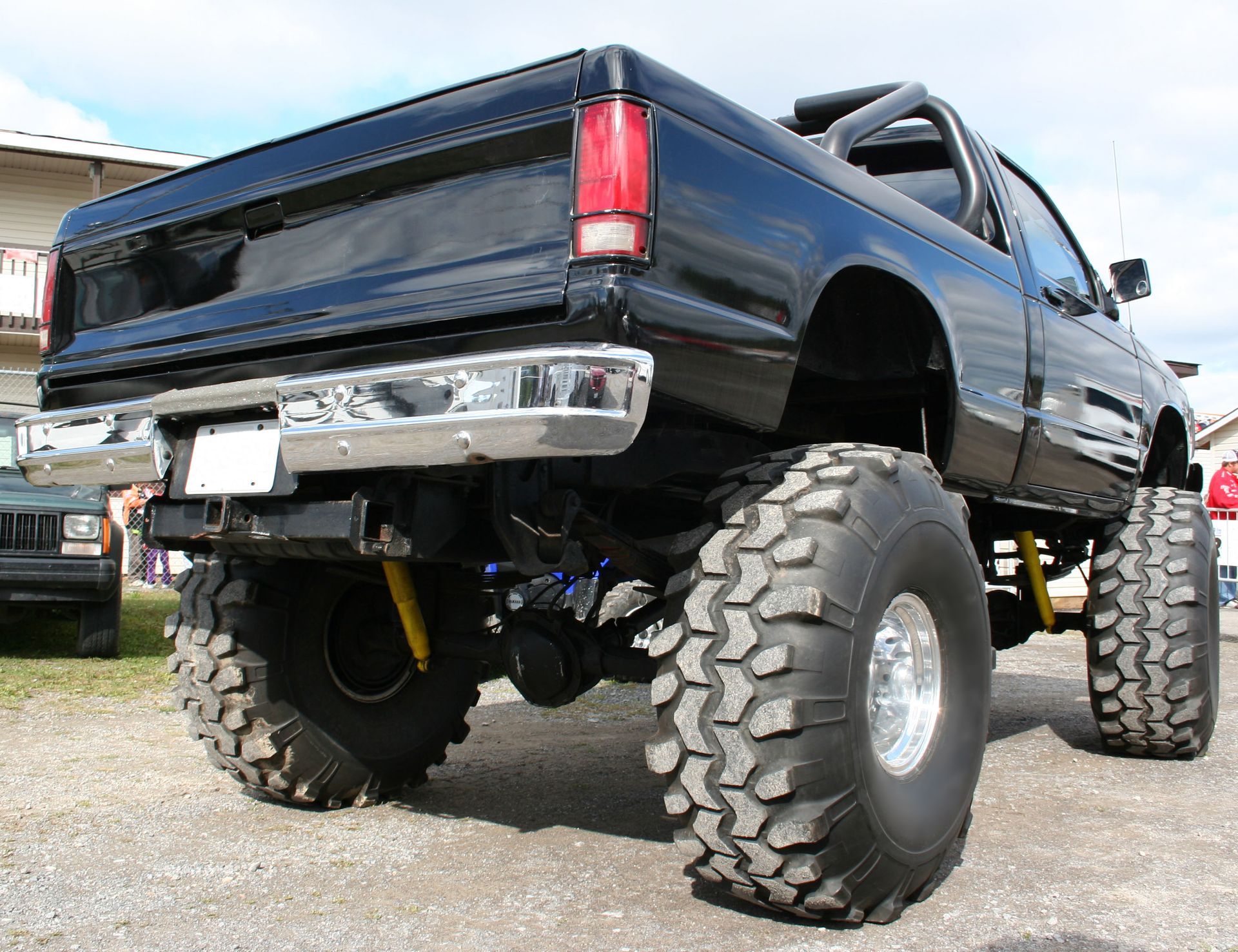
Suspension lift kits raise the vehicle by modifying or replacing components of its suspension system. Depending on the application, a kit may include springs, shocks, control arms, brackets, or other hardware. These systems are often considered by drivers who want substantial ground clearance or improved suitability for off-road use. Because suspension geometry is involved, installation and alignment are particularly important.
Body lift kits raise the truck’s body relative to its frame, typically using spacers and mounting hardware. They can create additional space for larger tires without raising the suspension itself. Since the suspension remains at its original height, a body lift generally does not provide the same increase in undercarriage clearance as a suspension lift.
Leveling kits address the factory rake found on many trucks, where the front sits lower than the rear. These kits raise the front end to create a more even stance. They are often less extensive than full suspension lifts and may suit owners who want a subtle change rather than a dramatic increase in ride height. The actual results depend on the truck and kit design.
How Much Lift Does Your Truck Need?
Choosing the right amount of lift requires more thought than simply selecting the tallest option available. A small lift may be enough to achieve a balanced appearance or accommodate a modest tire upgrade. A more substantial lift may be appropriate for certain off-road applications, but it can also introduce additional costs and complications.
Consider your everyday driving habits first. If your truck spends most of its time commuting, hauling supplies, or traveling on highways, a moderate setup may offer a better balance of appearance and practicality. Drivers who regularly encounter uneven trails may have different clearance requirements, although the appropriate height depends on the terrain and vehicle configuration.
Think about your tire plans before choosing a lift. Larger tires can change the truck’s gearing, handling, braking characteristics, and overall driving feel. They may also require adjustments to prevent rubbing against bodywork or suspension components during turns and suspension movement. A qualified customization specialist can evaluate the relationship between lift height, tire dimensions, wheel offset, and available clearance before work begins.
Choosing the Right Tires and Wheels
Lift kits and tire upgrades often go hand in hand, but the combination needs to be selected carefully. Larger tires can contribute to a rugged appearance and may provide benefits in particular driving environments. All-terrain tires, for example, are designed to balance on-road use with occasional off-road travel, while mud-terrain options generally prioritize traction in challenging, loose conditions.
Consider how often you drive on pavement compared with dirt, gravel, mud, or rocky trails. Aggressive tread patterns may be useful for specialized off-road activities, but they can produce more road noise and may have different handling or wear characteristics on paved surfaces. The right tire is the one that matches your regular driving conditions rather than simply the most aggressive-looking option.
Wheel size, width, and offset also matter. An incompatible wheel setup can create clearance problems or affect steering and suspension behavior. Before purchasing wheels and tires, verify their compatibility with your truck and proposed lift. Professional guidance can help prevent expensive mistakes and ensure that the finished setup works as intended.
Will a Lift Kit Affect Ride Quality and Handling?
Raising a truck changes more than its appearance. Depending on the design and height, a lift can affect ride comfort, steering response, suspension travel, and overall handling. Some drivers notice a firmer or different ride after installation, while others may experience changes in how the vehicle behaves during turns or on uneven roads.
A lifted truck also has a higher center of gravity. This can increase body roll and affect stability during sudden maneuvers, particularly when the vehicle is driven aggressively or loaded unevenly. Drivers should become familiar with the vehicle’s changed behavior and maintain appropriate speeds and following distances.
Suspension components must work together correctly for the vehicle to perform reliably. Poorly matched parts, incorrect installation, or inadequate alignment can contribute to uneven tire wear, steering issues, and premature component wear. A quality kit selected for your specific truck, combined with professional installation, helps reduce avoidable problems.
Before raising your rig, take time to compare your options and consult our qualified team at Premier Auto Solutions. With the right combination of compatible parts, professional installation, and ongoing maintenance, you can build a truck that reflects your style while supporting the way you actually drive. Contact us today!